Vegetable Growing
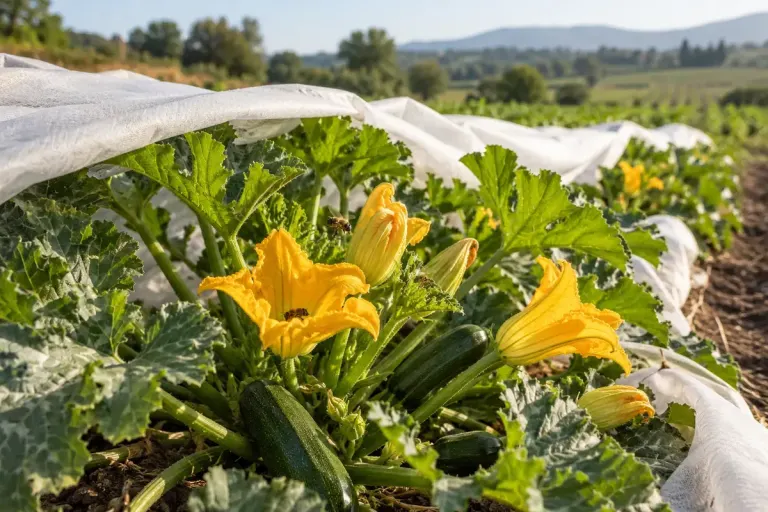
Remove crop covers when flowers need access to pollinators
Time the removal of crop covers around flowering and pollination needs, with a practical inspection routine for covered vegetable beds.

Better questions for healthier soil.
Time the removal of crop covers around flowering and pollination needs, with a practical inspection routine for covered vegetable beds.
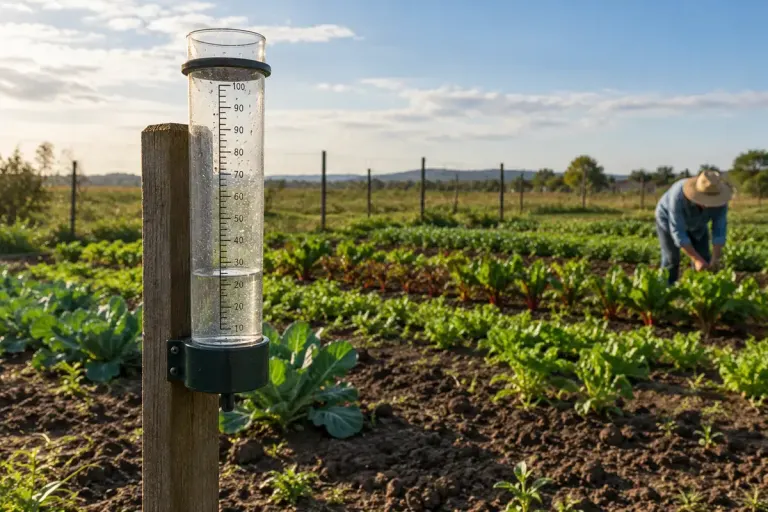
Site a farm rain gauge away from obvious obstructions and splash, and keep consistent records that distinguish local rainfall from crop water needs.
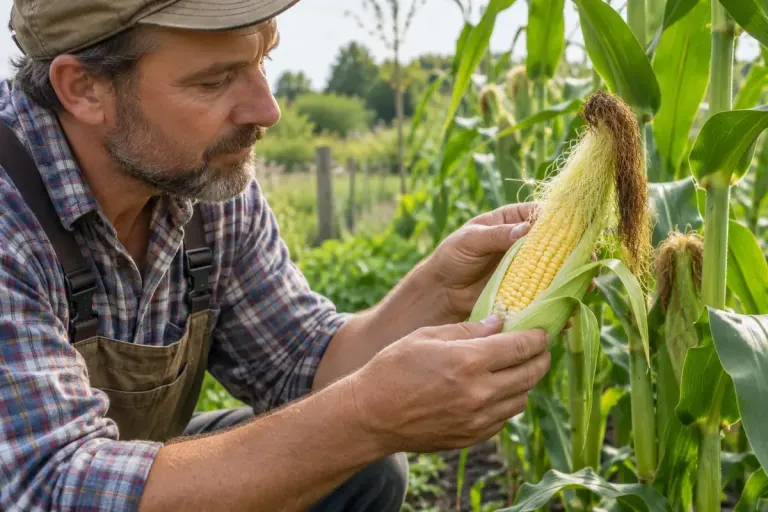
Combine silk appearance with a careful kernel check to judge sweetcorn harvest readiness rather than relying on the calendar alone.
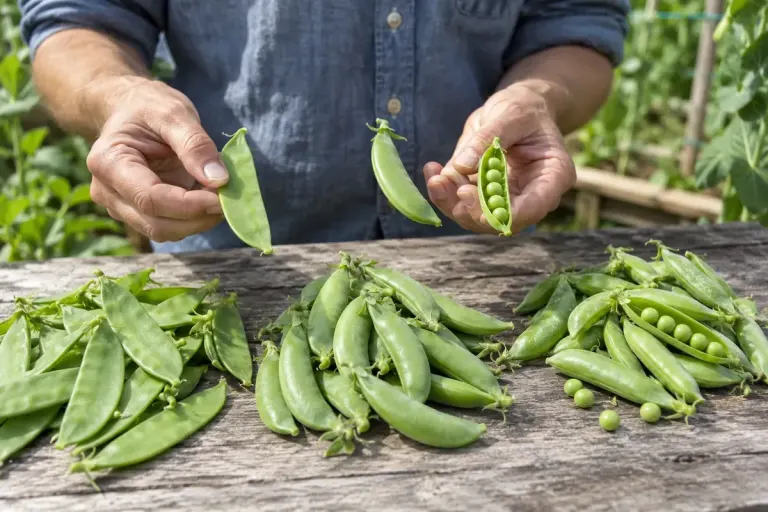
Match pea harvesting to the variety: shelling peas, mangetout and sugar snaps are judged differently, so pod fullness alone is not enough.
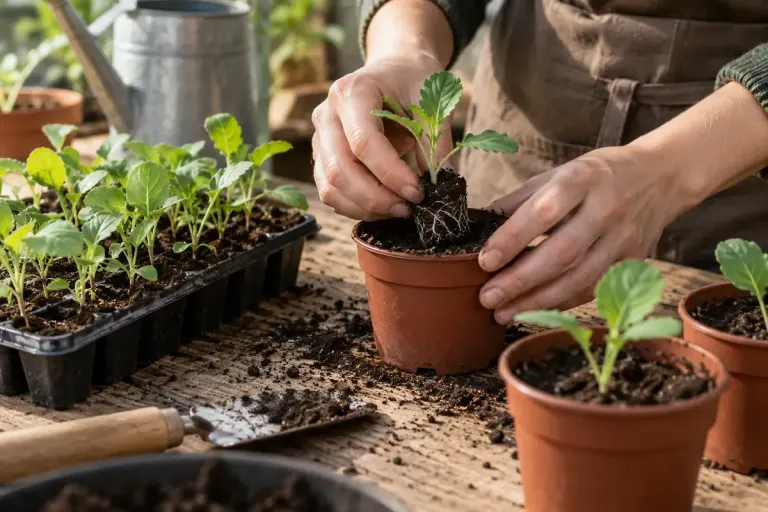
Recognise a manageable seedling stage for pricking out and prepare the receiving containers before separating delicate young plants.
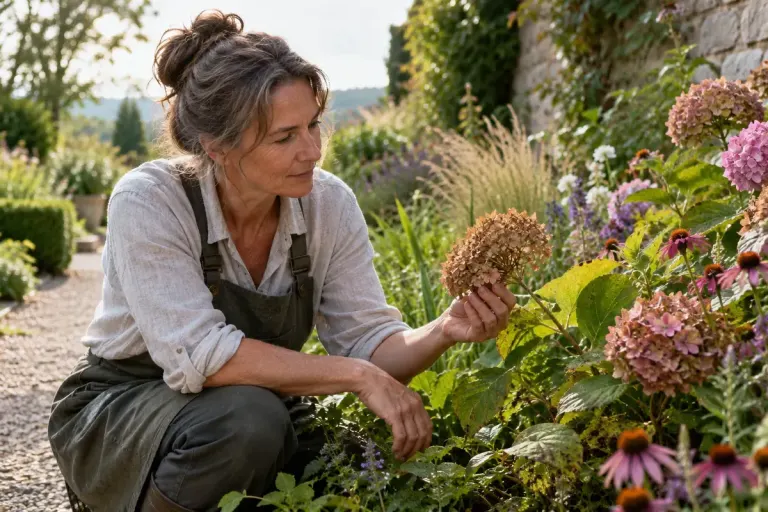
Decide whether to remove spent flowers by considering repeat bloom, seed collection and wildlife before picking up the secateurs.
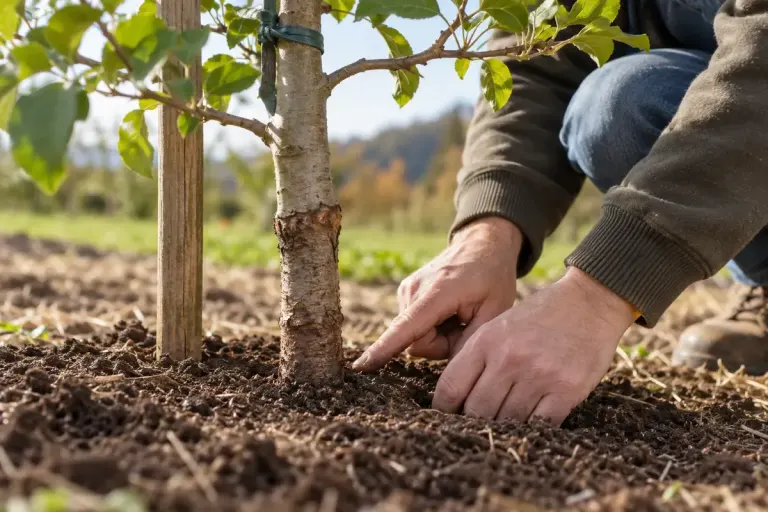
On a grafted fruit tree, the join between variety and rootstock helps guide planting depth. Identify it before backfilling the hole.
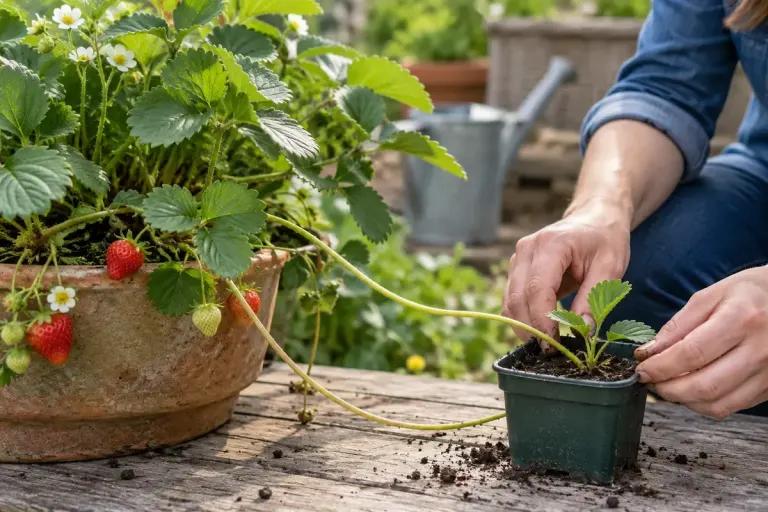
Root a strawberry runner while it remains attached to the parent, then separate the new plant after roots have established.
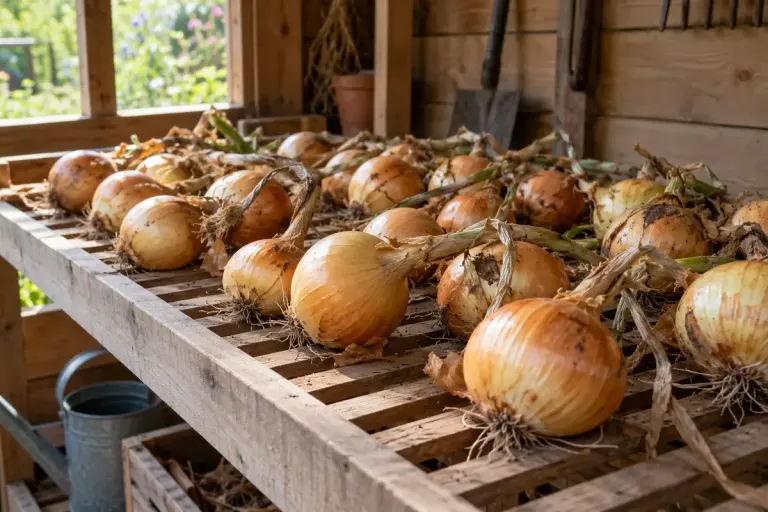
Dry storage onions with airflow, separate damaged bulbs and check the necks before moving the harvest into longer-term storage.