Crop observation
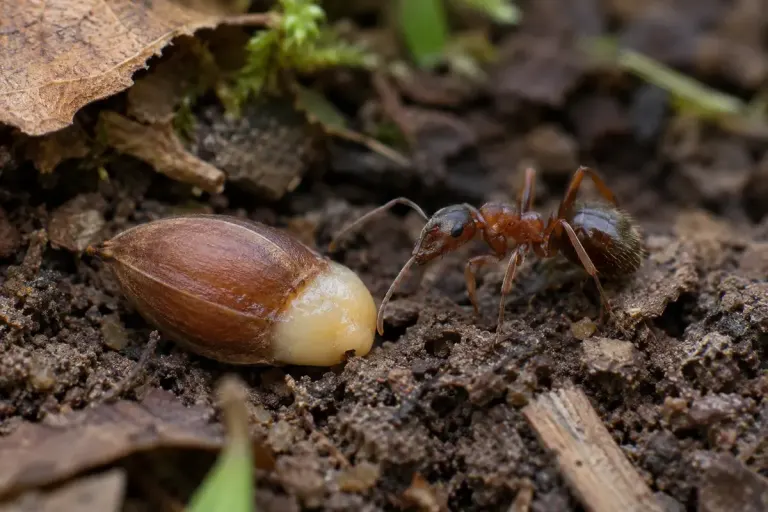
A seed’s elaiosome gives ants a reason to carry it
Explore how an elaiosome can attract ants to a seed, and learn what to record without assuming every ant carries seeds for the same reason.

Better questions for healthier soil.
Explore how an elaiosome can attract ants to a seed, and learn what to record without assuming every ant carries seeds for the same reason.
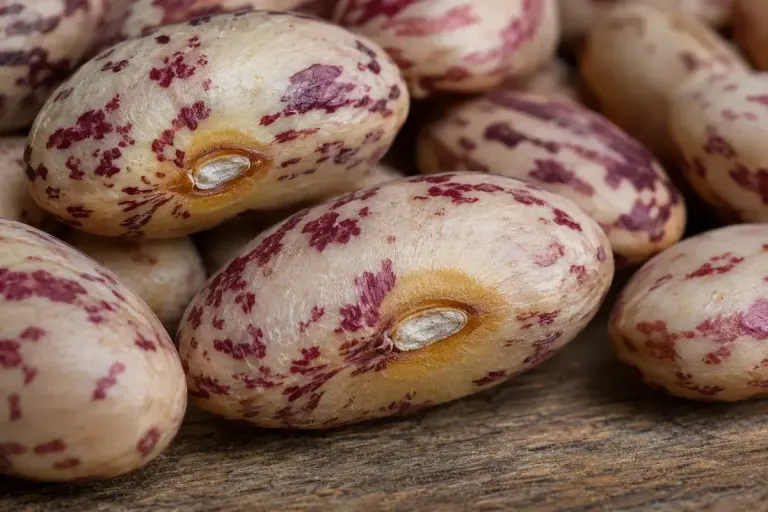
The hilum is the scar left where a seed was attached. Observe it on a bean, distinguish it from nearby features and avoid treating appearance as a germination test.
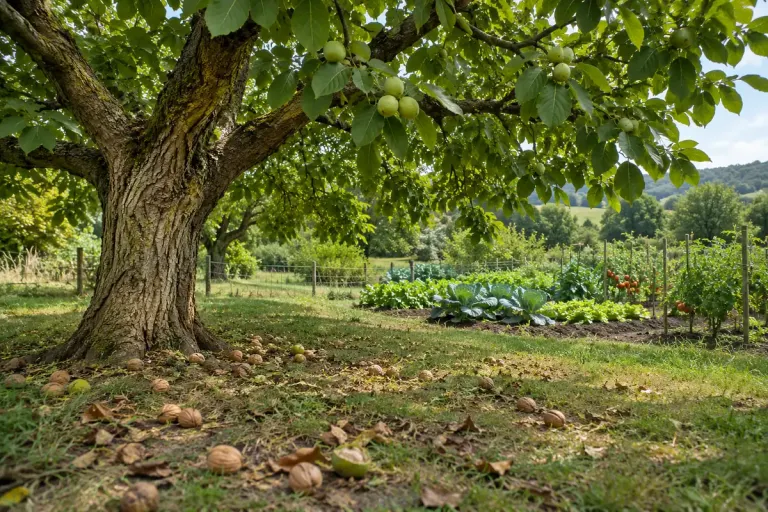
Explore allelopathy through the black walnut example, while separating chemical effects from shade, root competition and other causes of poor plant growth.
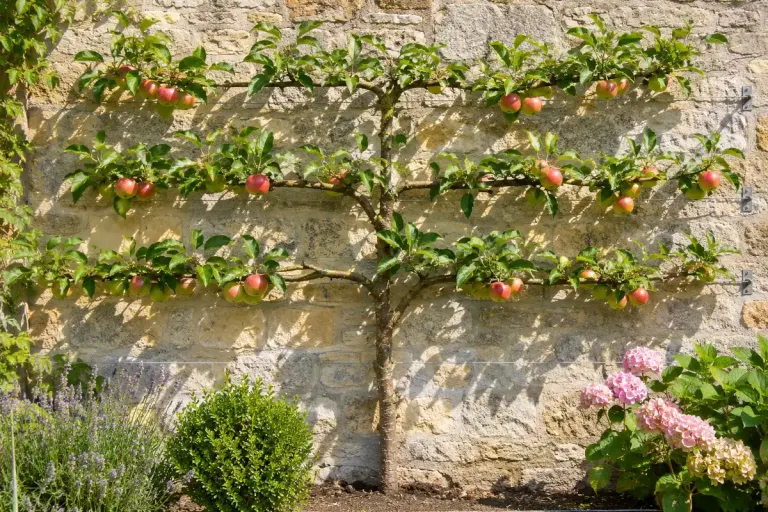
An espalier is a trained fruit-tree framework, not simply a tree planted near a wall. Match the variety, support and pruning plan before starting.
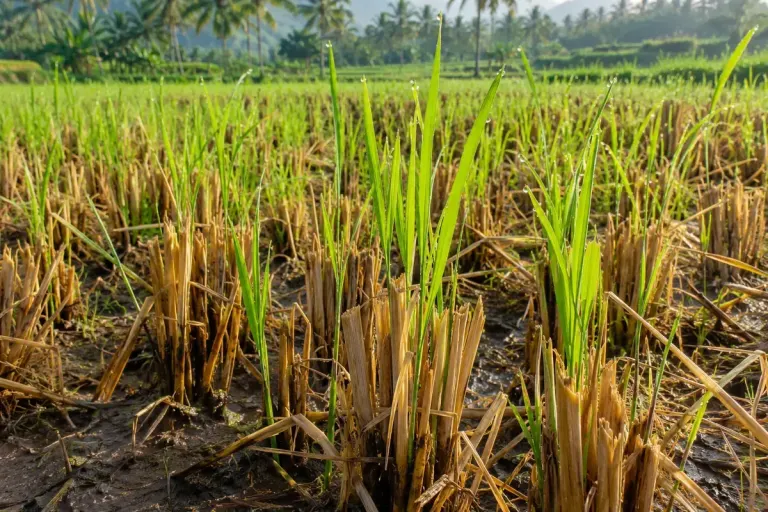
Explore how ratoon rice regrows from harvested stubble, why the first harvest affects the next crop, and what to record before trying it locally.
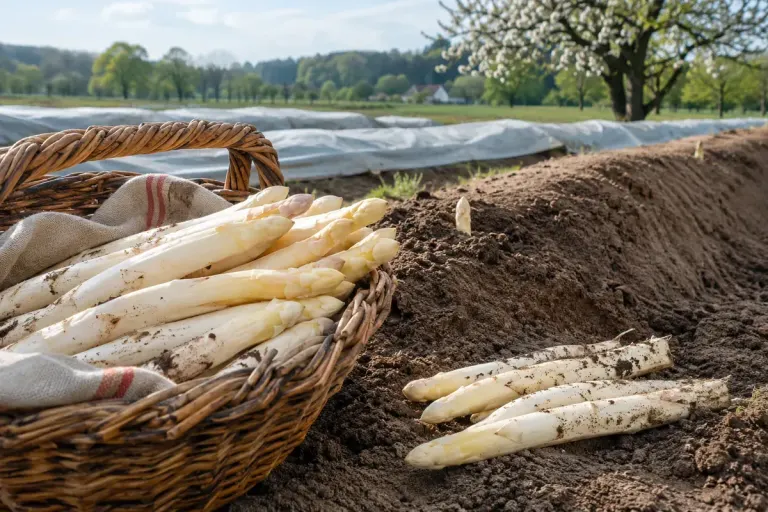
White asparagus is produced by excluding light from developing spears. Understand the growing choice, harvest timing and the plant’s need for later green growth.
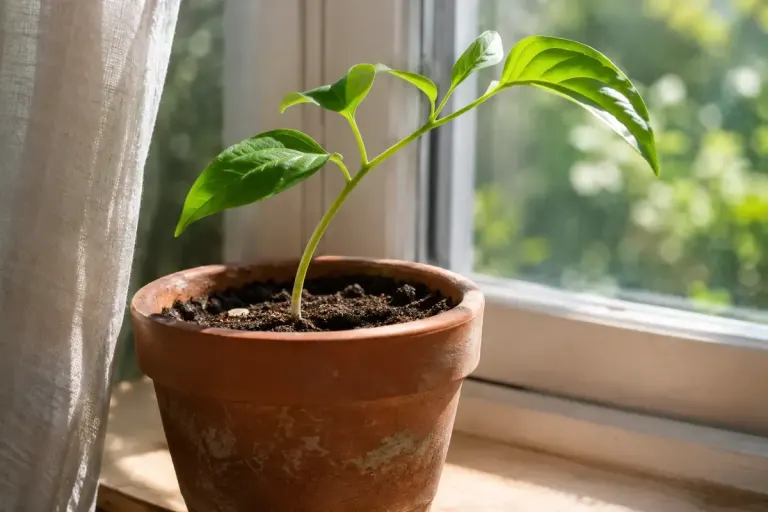
A shoot leaning toward a window can show phototropism. Learn how directional light affects growth and how to observe it without a misleading test.
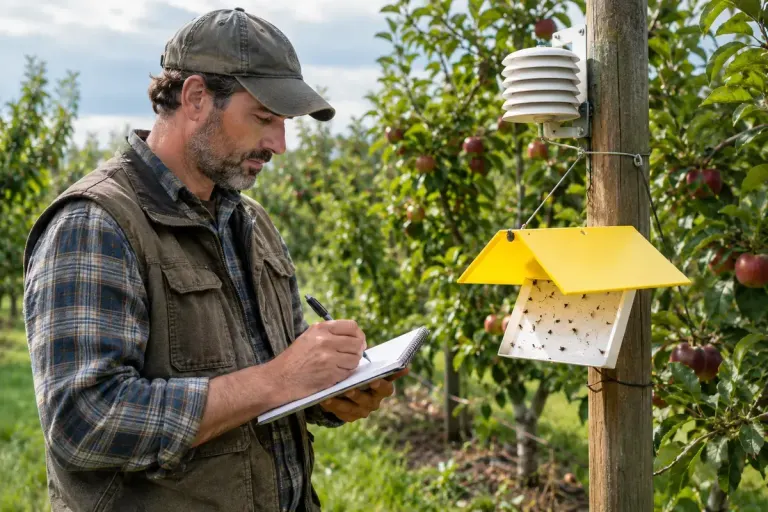
Degree-days track accumulated warmth for an insect-development model. Check the species, thresholds and starting point before using a total to plan field observations.
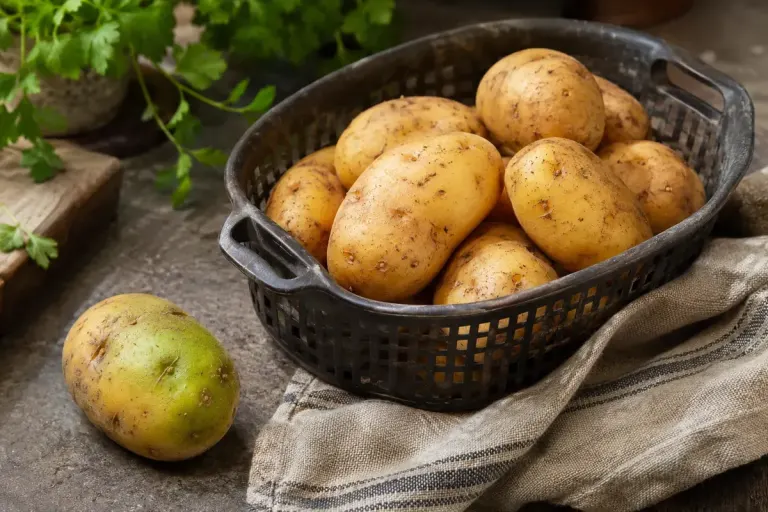
Green patches on stored potatoes call for caution. Learn what greening signals and how to review harvesting and storage conditions.