Crop Notes
Photoperiod Measures the Day’s Timing, Not Just Its Brightness
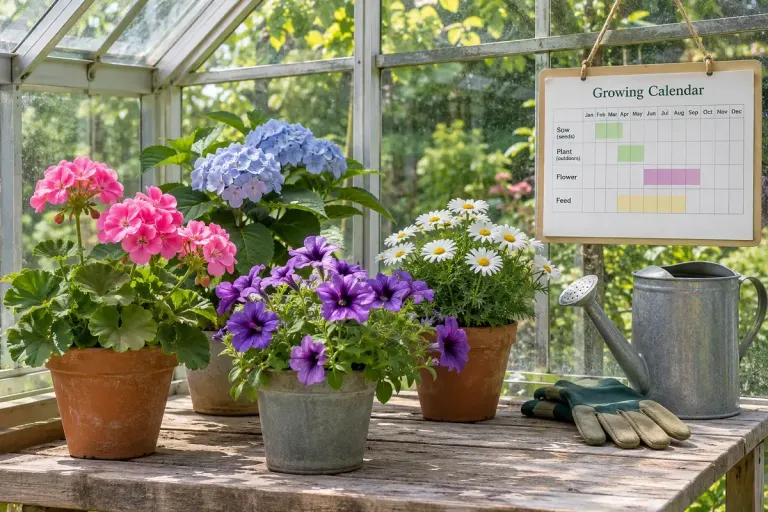
Photoperiod concerns the timing of light and darkness, not just brightness. Learn why flowering responses vary and how night lighting can change an experiment.

Better questions for healthier soil.
Photoperiod concerns the timing of light and darkness, not just brightness. Learn why flowering responses vary and how night lighting can change an experiment.
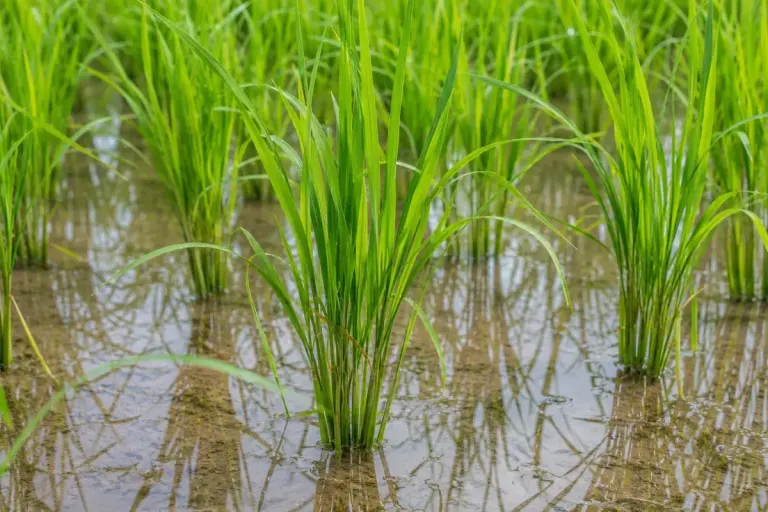
Rice tillers are side shoots from the same plant. Learn how to distinguish them from separate seedlings and why counting shoots is not a yield forecast.
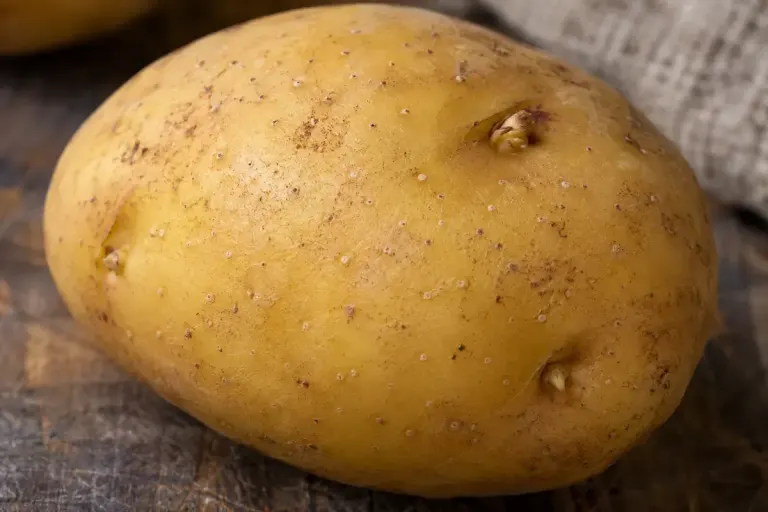
Potato lenticels exchange gases, while eyes can produce shoots. Learn to recognise swollen lenticels and record growing conditions before naming a disease.
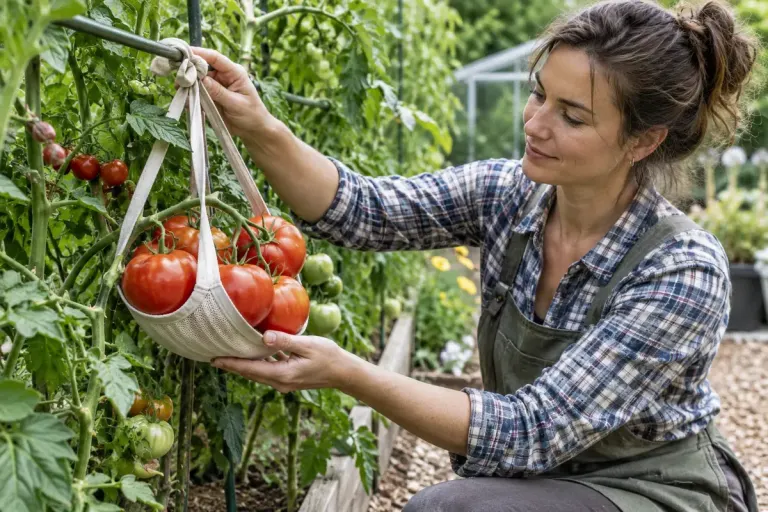
Heavy tomato clusters need support that respects the truss and main stem. Observe the load, choose a suitable support and keep checking as fruit expands.
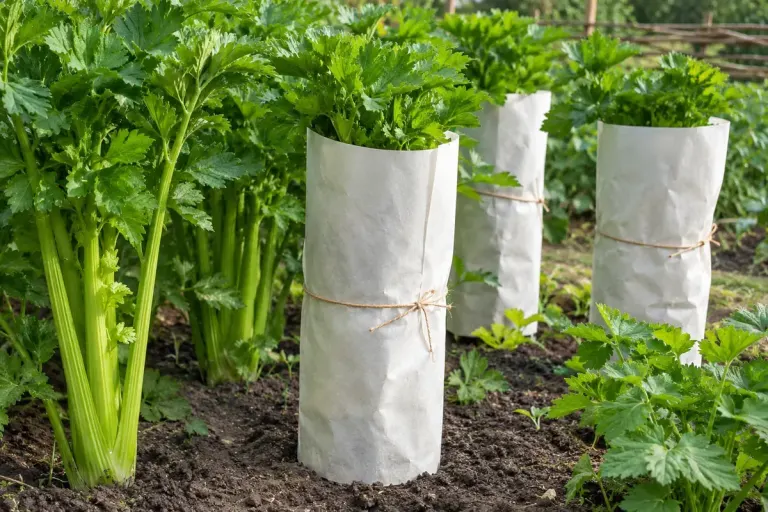
Celery blanching excludes light from selected stalks, but the variety matters. Check whether your plants are trench, self-blanching or green types first.
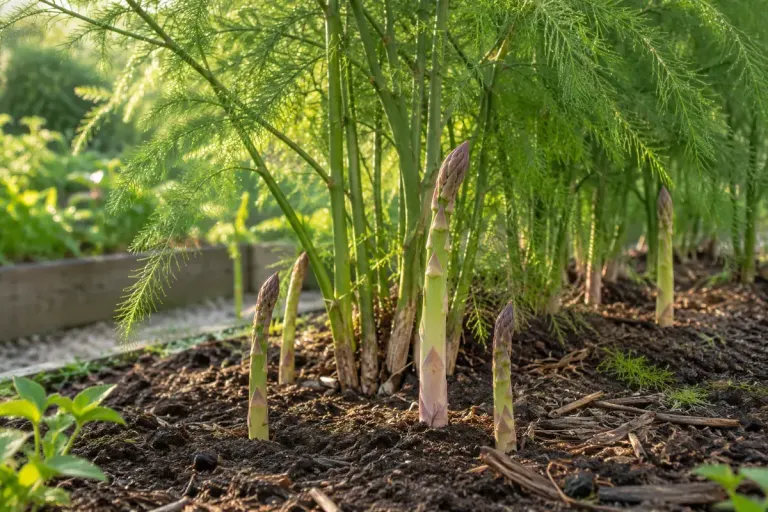
An asparagus bed is a long-term planting. Record its establishment year, allow recovery growth and set a harvest window suited to local guidance.
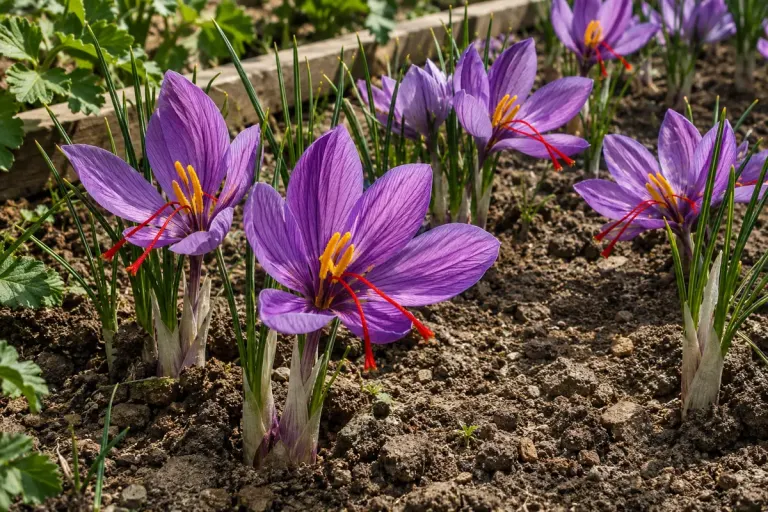
Start a saffron trial with correctly identified corms, a local growing plan and a realistic harvest record. The flower’s red stigmas are the crop.
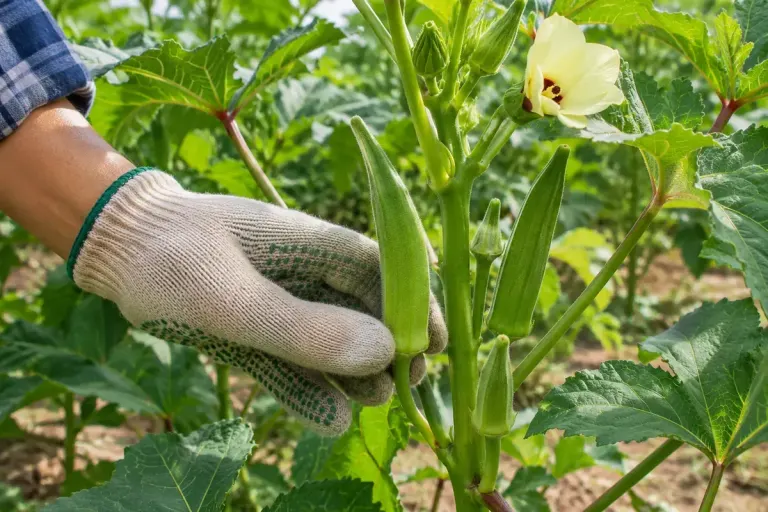
Harvest okra while pods are young and tender, use regular checks rather than size alone and protect your hands from irritating hairs.
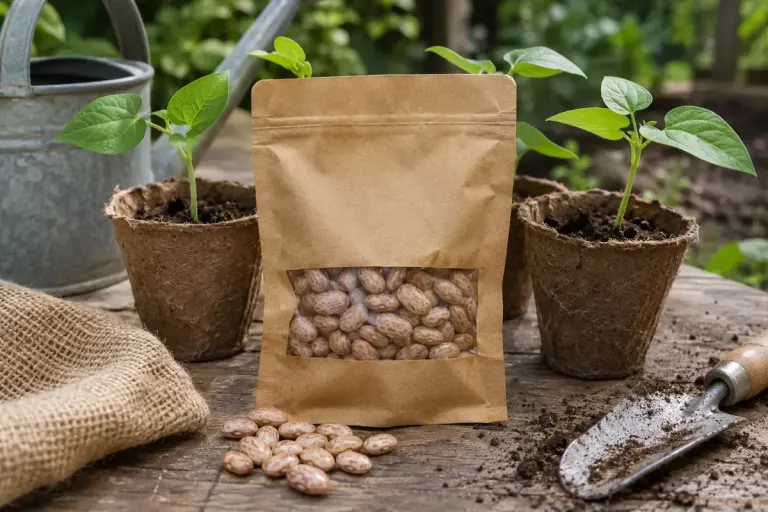
Check the crop match, expiry date and storage instructions before buying a legume inoculant, then record what was applied to each seed batch.