Growing Food
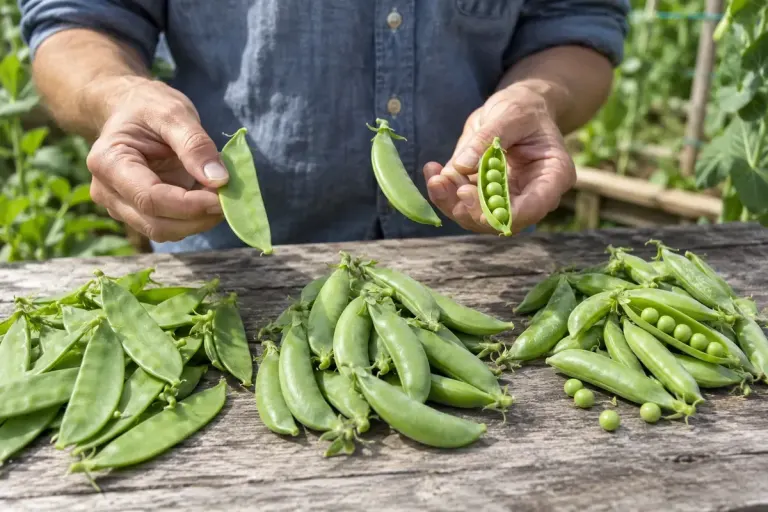
Harvest Peas by the Pod Type, Not Just by How Full They Look
Match pea harvesting to the variety: shelling peas, mangetout and sugar snaps are judged differently, so pod fullness alone is not enough.

Better questions for healthier soil.
A practical agriculture journal about soil, water and the observations that help growers make better decisions.
Begin with the soil →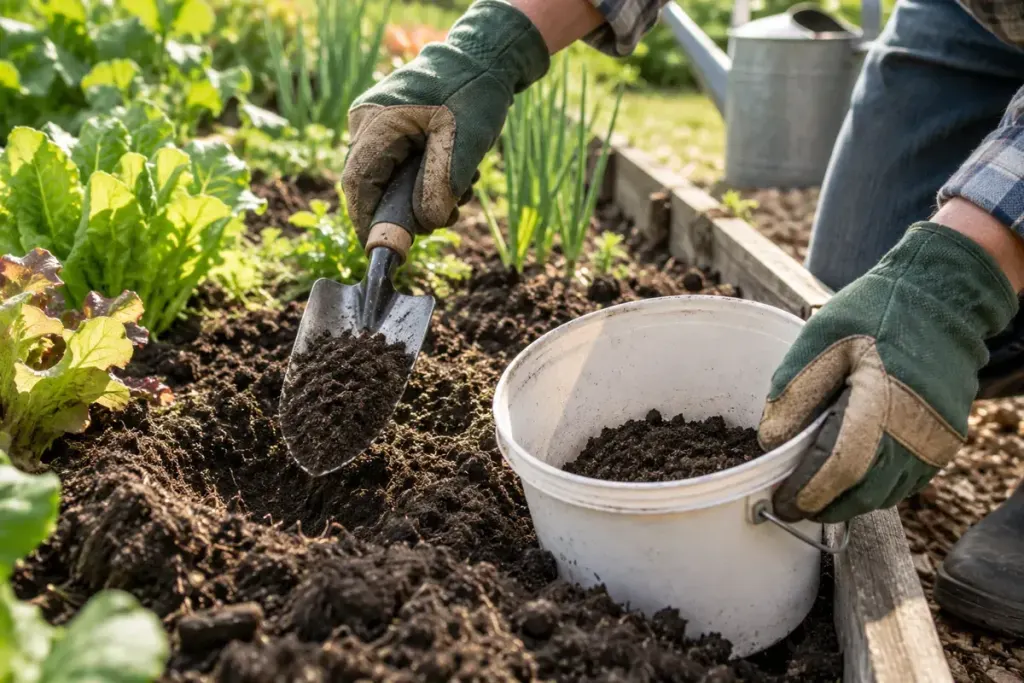
Match pea harvesting to the variety: shelling peas, mangetout and sugar snaps are judged differently, so pod fullness alone is not enough.
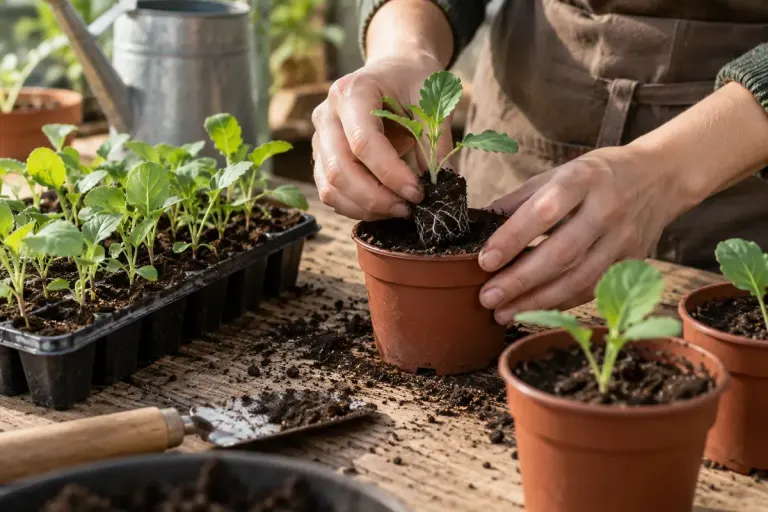
Recognise a manageable seedling stage for pricking out and prepare the receiving containers before separating delicate young plants.
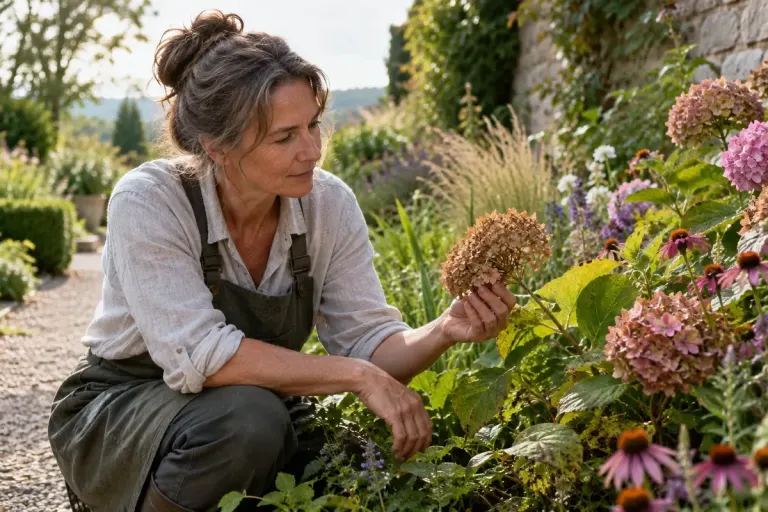
Decide whether to remove spent flowers by considering repeat bloom, seed collection and wildlife before picking up the secateurs.
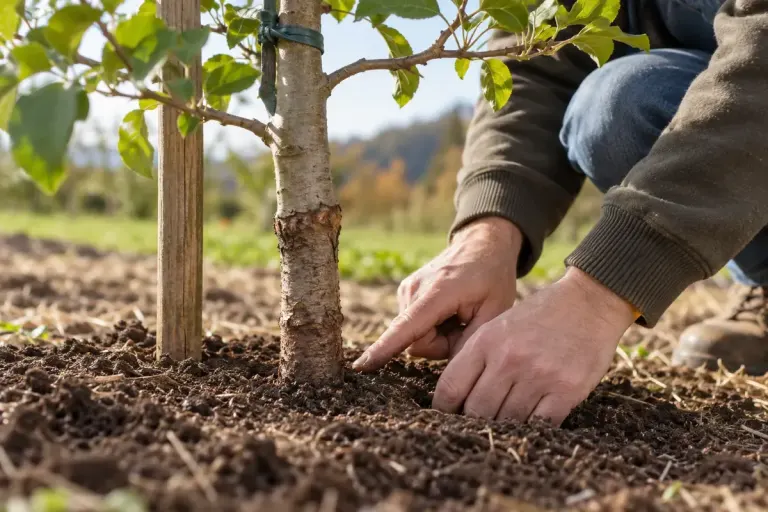
On a grafted fruit tree, the join between variety and rootstock helps guide planting depth. Identify it before backfilling the hole.
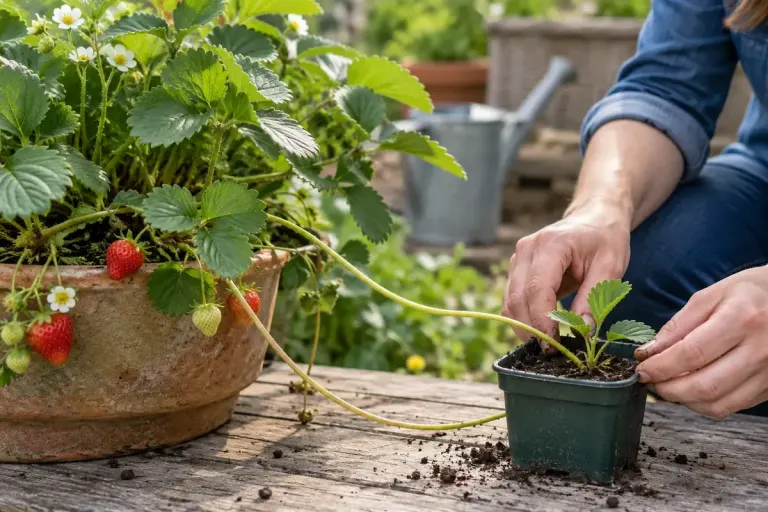
Root a strawberry runner while it remains attached to the parent, then separate the new plant after roots have established.
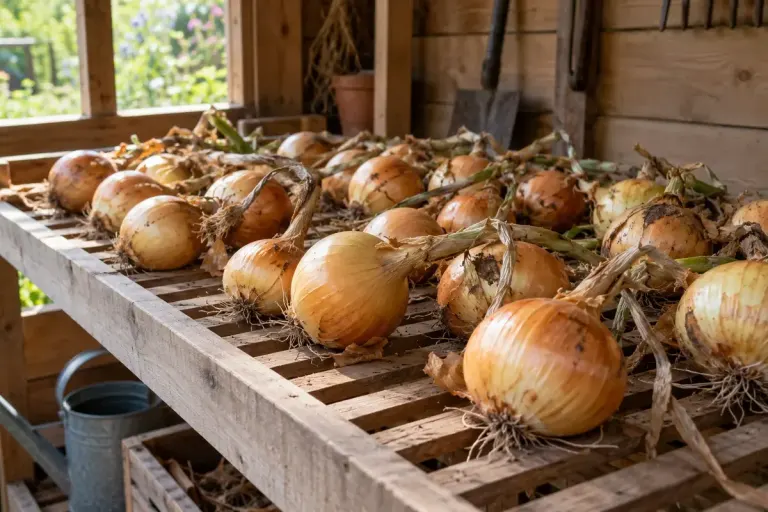
Dry storage onions with airflow, separate damaged bulbs and check the necks before moving the harvest into longer-term storage.