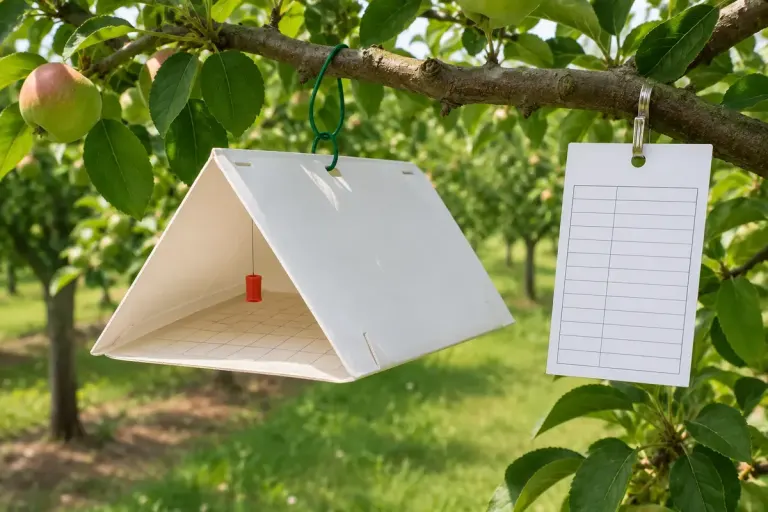
Crop observation
A pheromone trap monitors a particular pest, not every insect
Choose and record pheromone traps for the intended pest, then interpret catches with crop-specific guidance instead of assuming every lure works alike.

Better questions for healthier soil.
Choose and record pheromone traps for the intended pest, then interpret catches with crop-specific guidance instead of assuming every lure works alike.
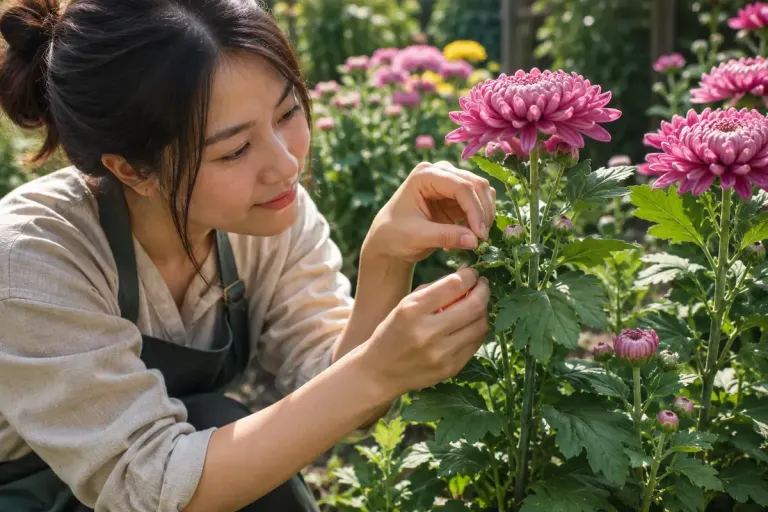
Pinching and disbudding remove different parts of a plant for different results. Use the species and growing goal to choose the right operation.
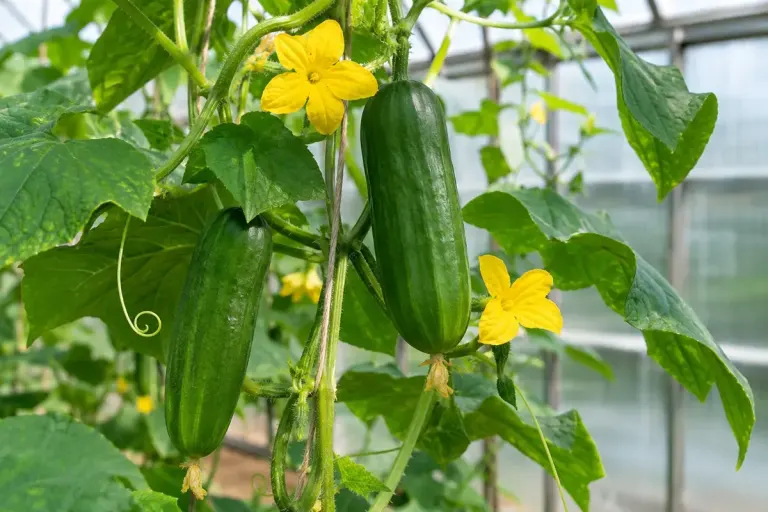
Parthenocarpic cucumbers can develop fruit without pollination. Read the variety description carefully before deciding when to uncover plants or add pollinizers.
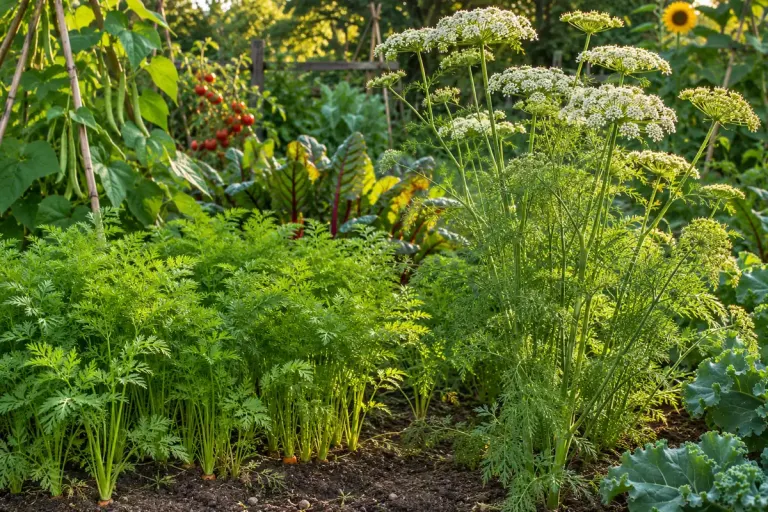
Saving seed from carrots and other biennial crops requires planning beyond the harvest season. Leave suitable plants, protect them through winter and consider pollination.
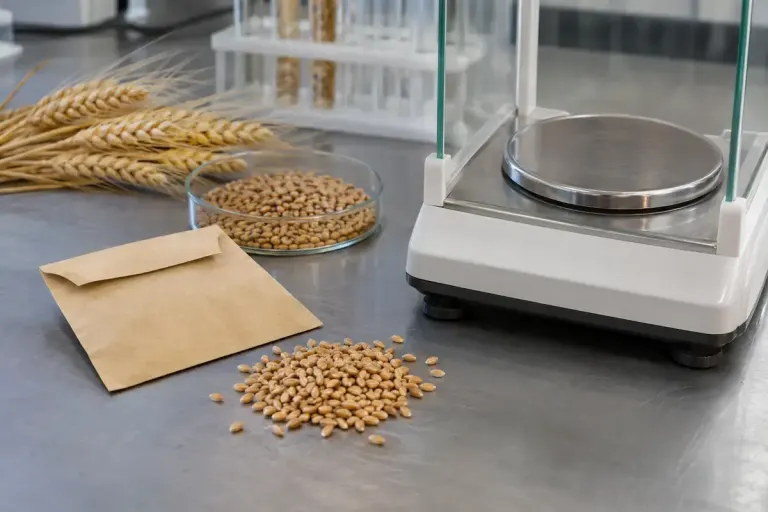
Thousand-grain weight helps translate seed mass into an approximate seed count, but germination and establishment still need separate attention.
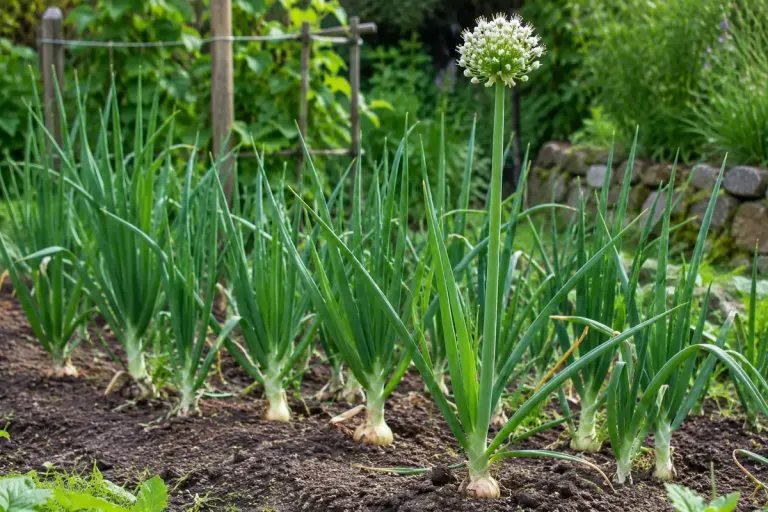
A flower stalk changes an onion crop’s priorities. Recognise bolting, record the conditions and avoid treating affected bulbs as ordinary storage onions.
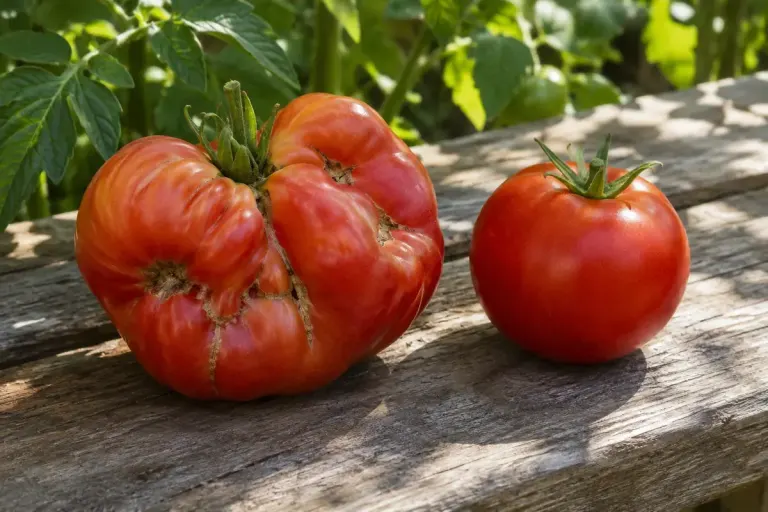
Recognise the distorted blossom-end growth called tomato catfacing and keep useful crop notes before deciding what to change next season.
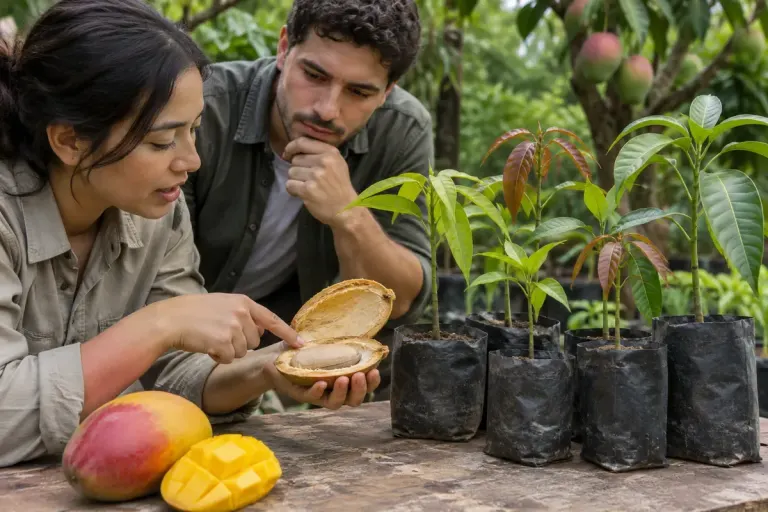
Several shoots from one mango seed can reflect polyembryony. Understand what that means before promising the seedling will reproduce a named fruit variety.
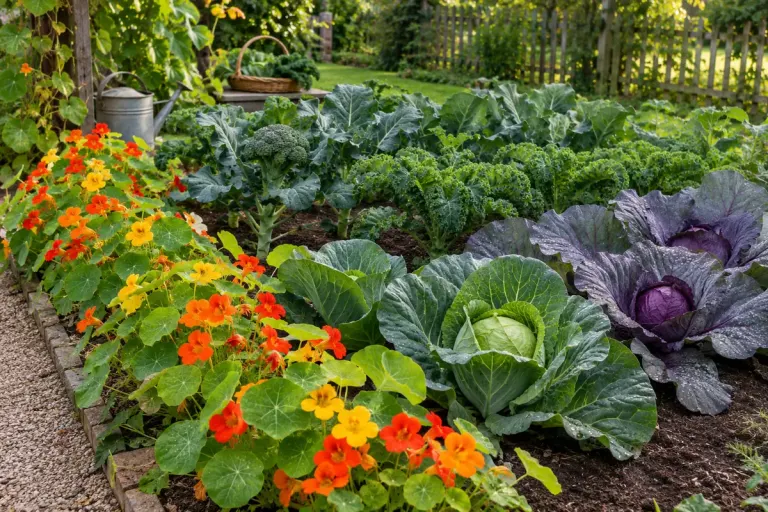
Explore what makes trap cropping different from simply mixing plants, and how pest identification, scouting and a management plan determine whether it helps.