Growing Food
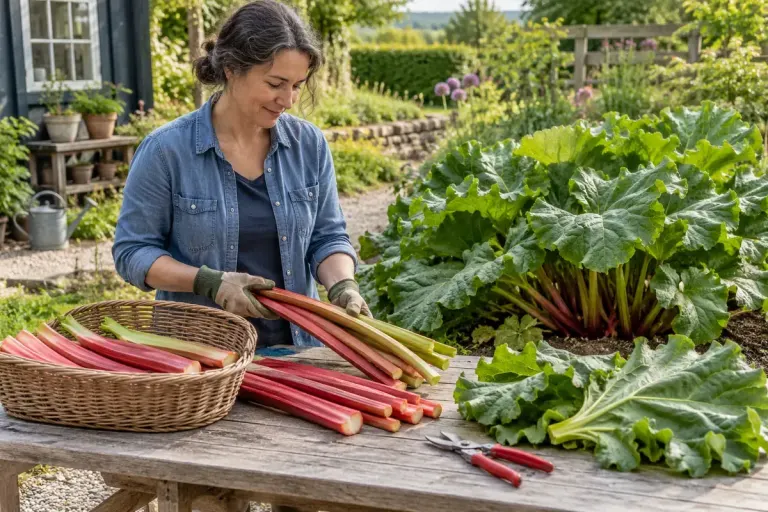
Harvest Rhubarb Stalks Without Treating the Leaves as Food
Rhubarb’s edible stalks and poisonous leaves must be handled differently. Identify the plant and follow harvest guidance for its age and condition.

Better questions for healthier soil.
Rhubarb’s edible stalks and poisonous leaves must be handled differently. Identify the plant and follow harvest guidance for its age and condition.
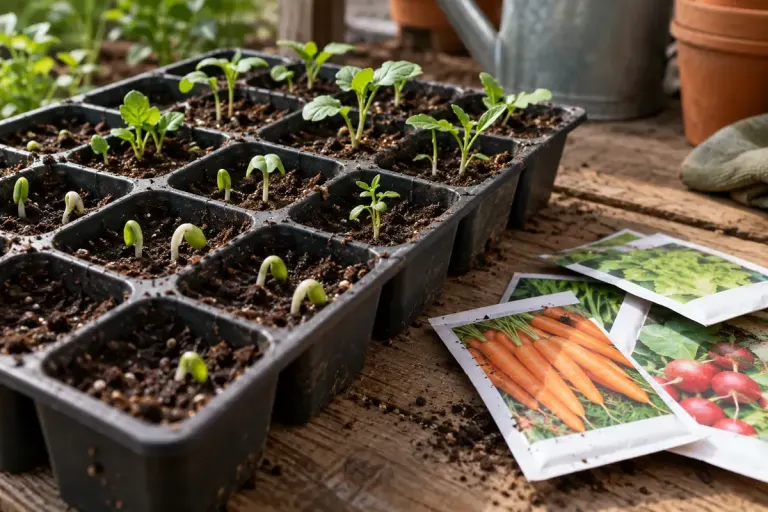
Separate a seed lot’s germination test from the number of seedlings that establish in soil, and record field conditions before deciding what went wrong.
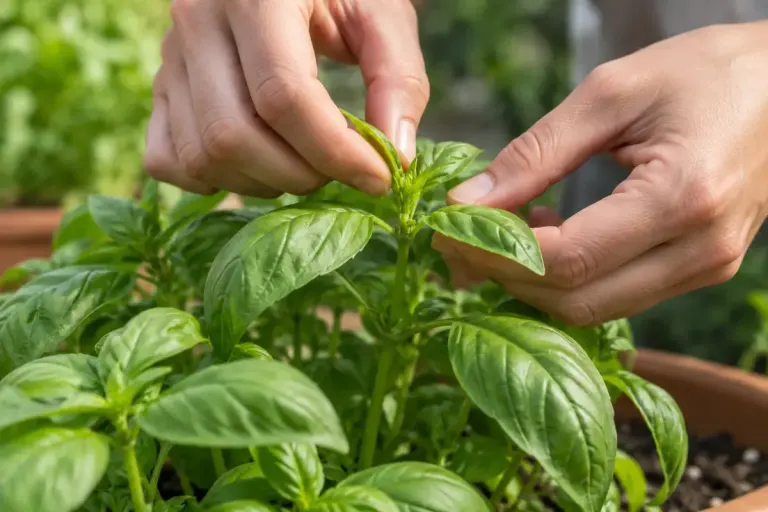
Find a leaf pair before pinching basil, leave useful growth below the cut, and combine harvesting with a simple check of the plant’s condition.
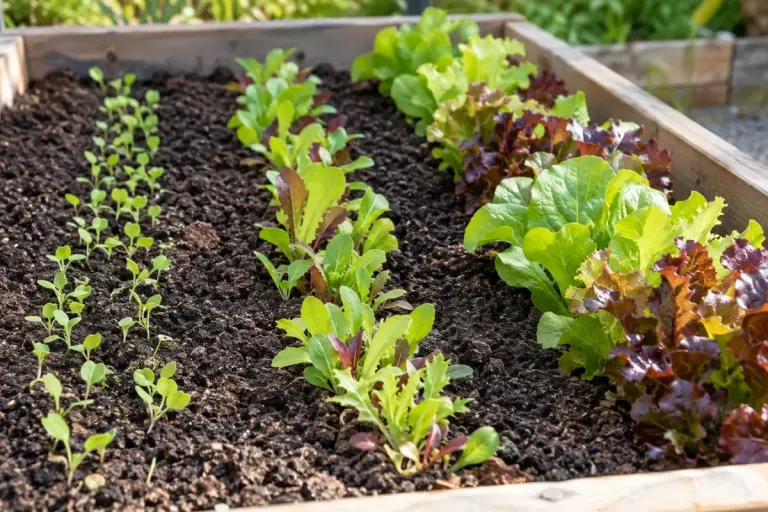
Sow salad leaves in small successive batches, using your household’s harvest and local growing conditions to set the next sowing date.
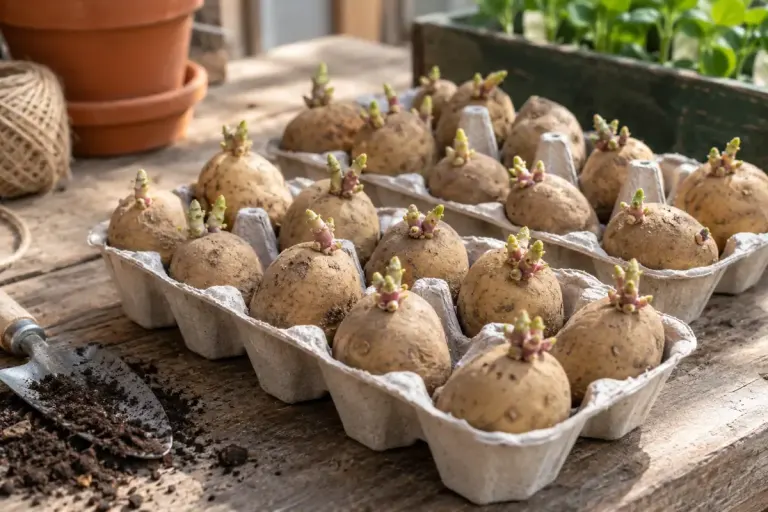
Prepare early seed potatoes in a bright, frost-free place and handle the short sprouts carefully when planting conditions are suitable.
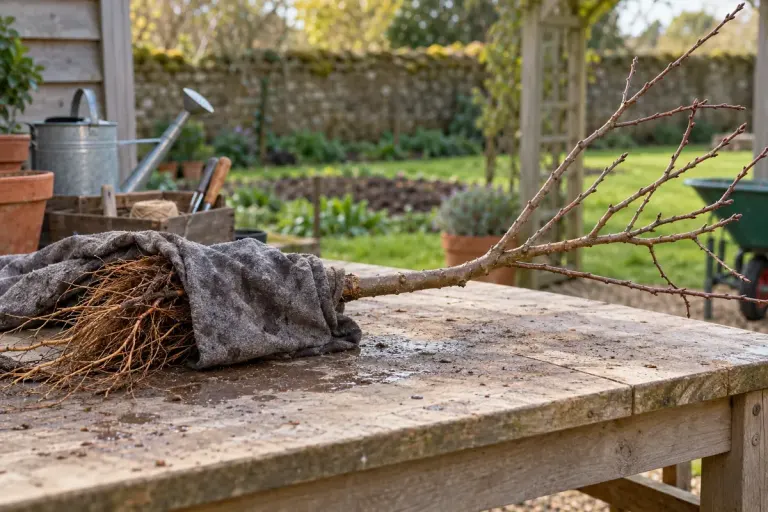
Plan the arrival and planting of bare-root trees so exposed roots stay protected and unsuitable ground conditions do not force a rushed job.
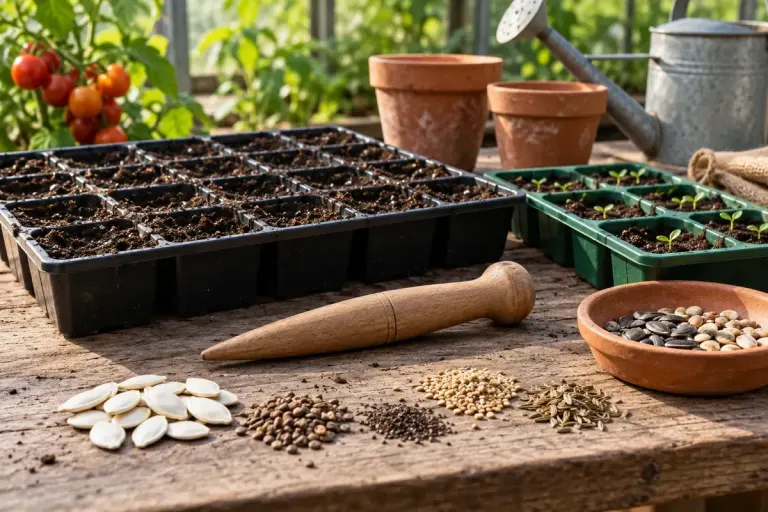
Use the seed packet’s sowing instructions, prepare the medium before planting and keep a simple record when testing an unfamiliar crop.
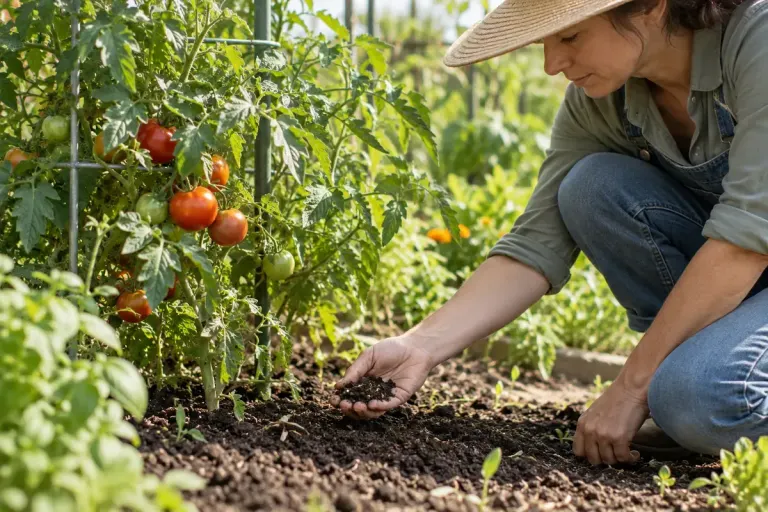
Investigate blossom-end rot through watering, soil conditions and plant care instead of assuming every affected tomato needs extra calcium.
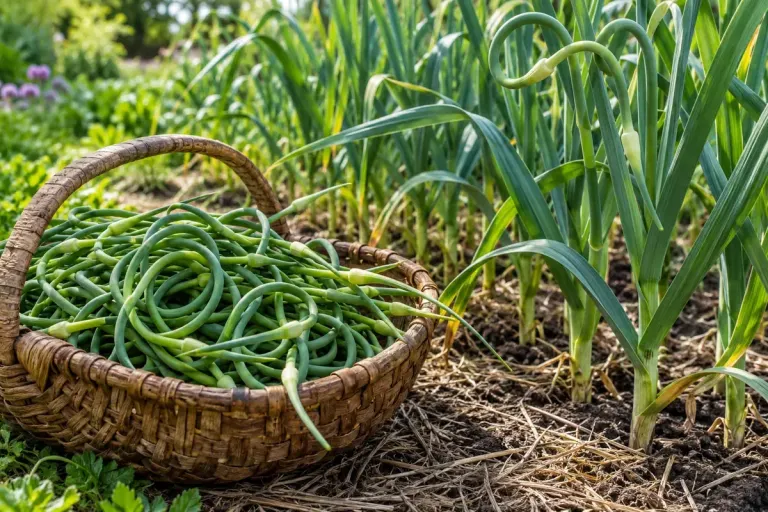
The curled stalk on hardneck garlic is a separate harvest opportunity. Identify the scape without mistaking it for a sign that the bulb is ready.