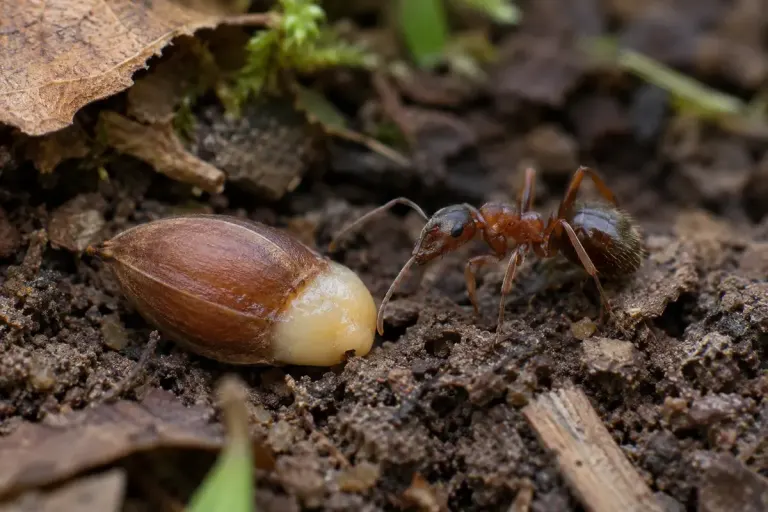
Crop observation
A seed’s elaiosome gives ants a reason to carry it
Explore how an elaiosome can attract ants to a seed, and learn what to record without assuming every ant carries seeds for the same reason.

Better questions for healthier soil.
Explore how an elaiosome can attract ants to a seed, and learn what to record without assuming every ant carries seeds for the same reason.
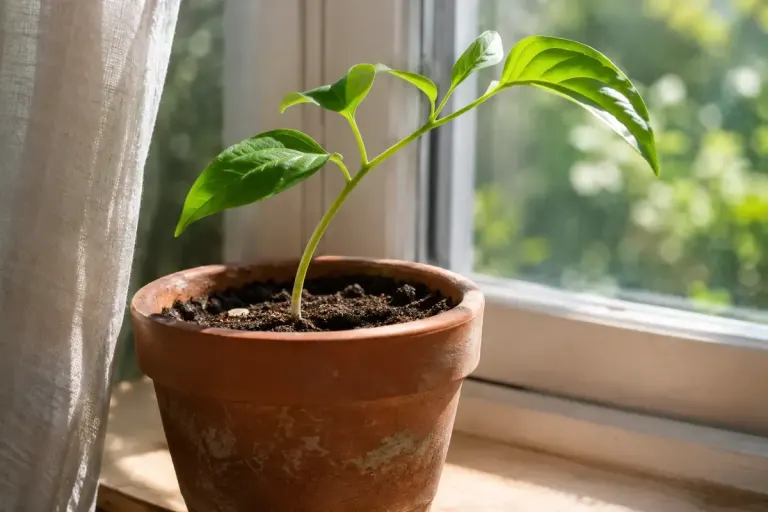
A shoot leaning toward a window can show phototropism. Learn how directional light affects growth and how to observe it without a misleading test.
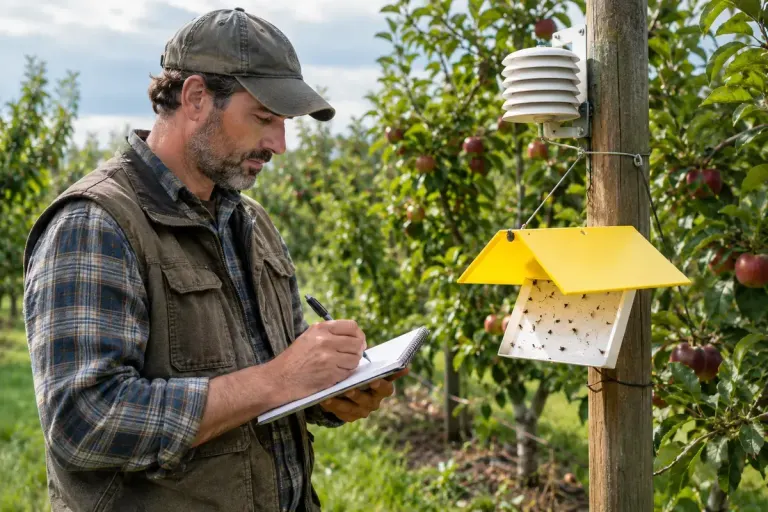
Degree-days track accumulated warmth for an insect-development model. Check the species, thresholds and starting point before using a total to plan field observations.
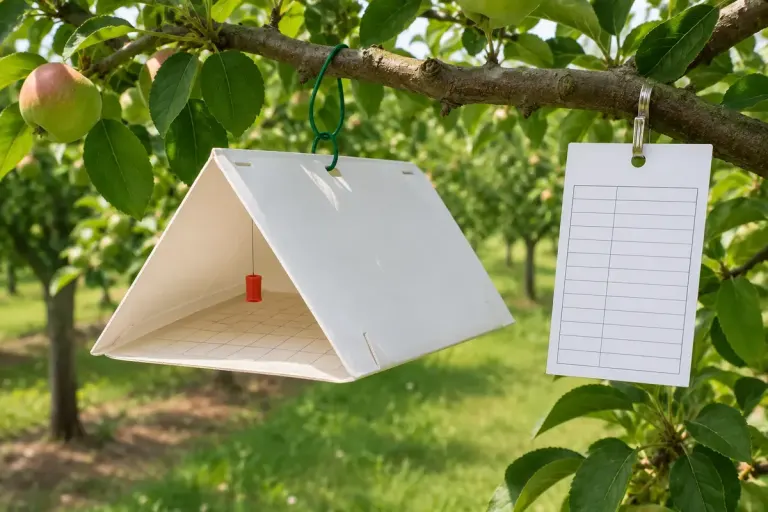
Choose and record pheromone traps for the intended pest, then interpret catches with crop-specific guidance instead of assuming every lure works alike.
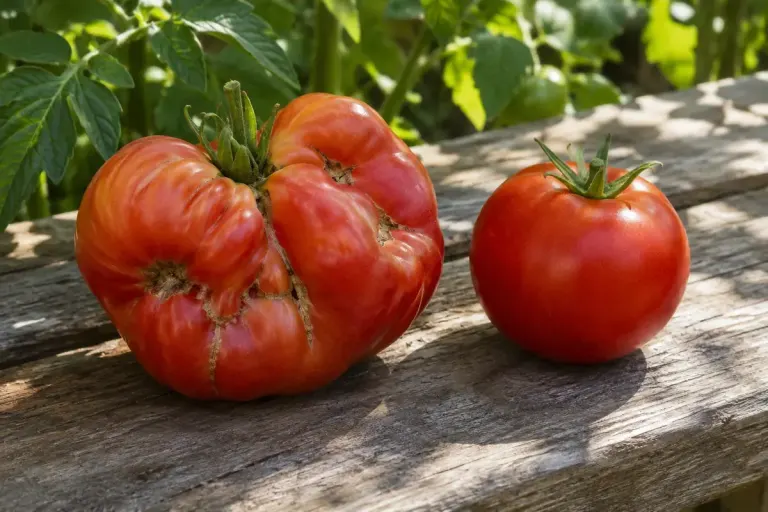
Recognise the distorted blossom-end growth called tomato catfacing and keep useful crop notes before deciding what to change next season.
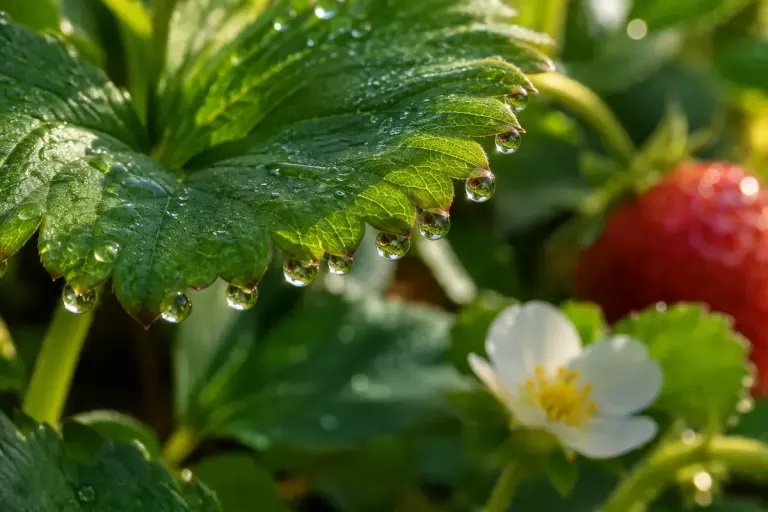
Droplets at leaf tips may come from guttation rather than condensed dew. Learn what to observe before interpreting the water as a disease or a watering instruction.
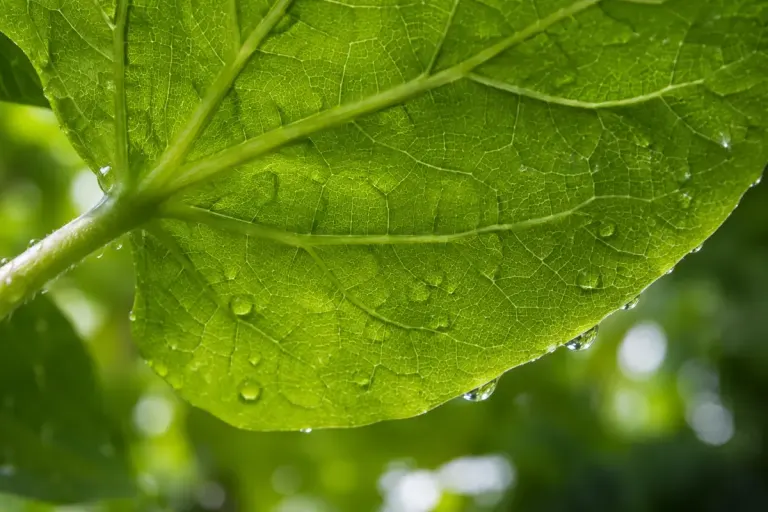
Stomata regulate gas exchange and water-vapour loss. Learn why their role matters when observing plants, without turning one leaf symptom into a diagnosis.
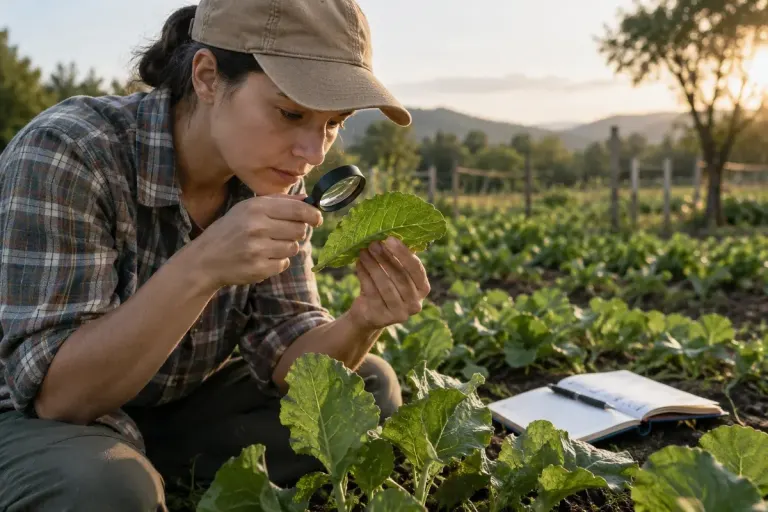
Record plant symptoms, location and change over time before choosing a pest treatment. A clear observation diary helps an adviser distinguish possible causes.