Crop observation
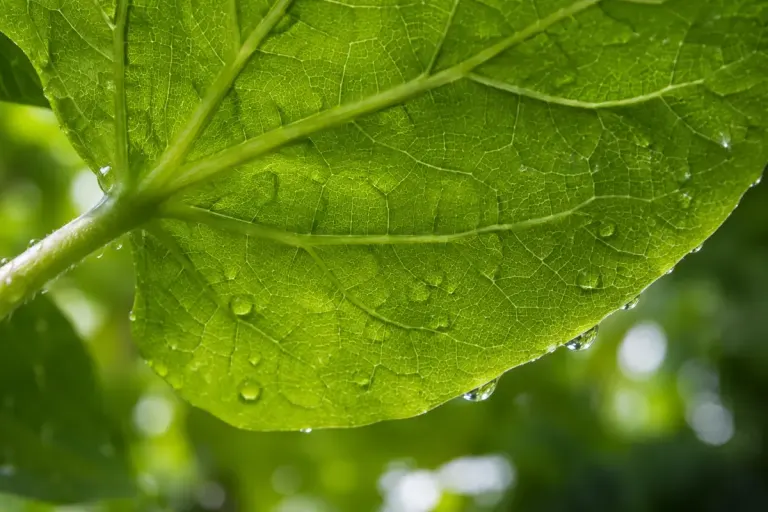
A leaf’s tiny openings connect carbon intake with water loss
Stomata regulate gas exchange and water-vapour loss. Learn why their role matters when observing plants, without turning one leaf symptom into a diagnosis.

Better questions for healthier soil.
Stomata regulate gas exchange and water-vapour loss. Learn why their role matters when observing plants, without turning one leaf symptom into a diagnosis.
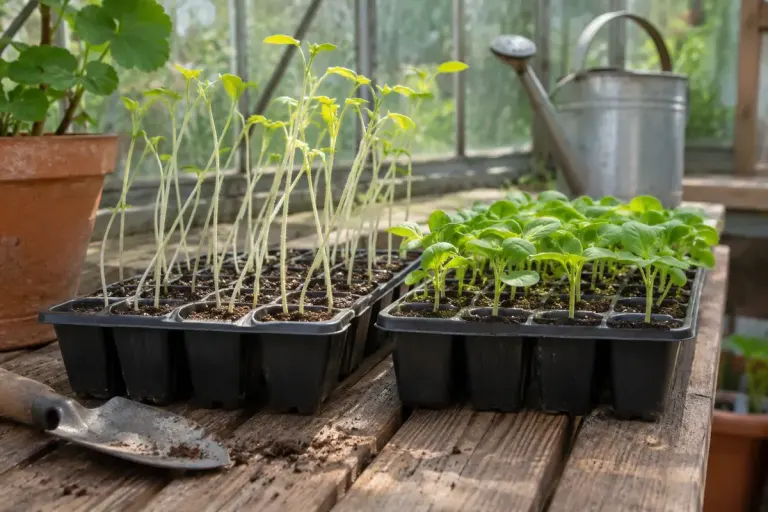
Long pale seedlings may be responding to inadequate light. Check the growing setup before trying to solve weak growth with more fertiliser.
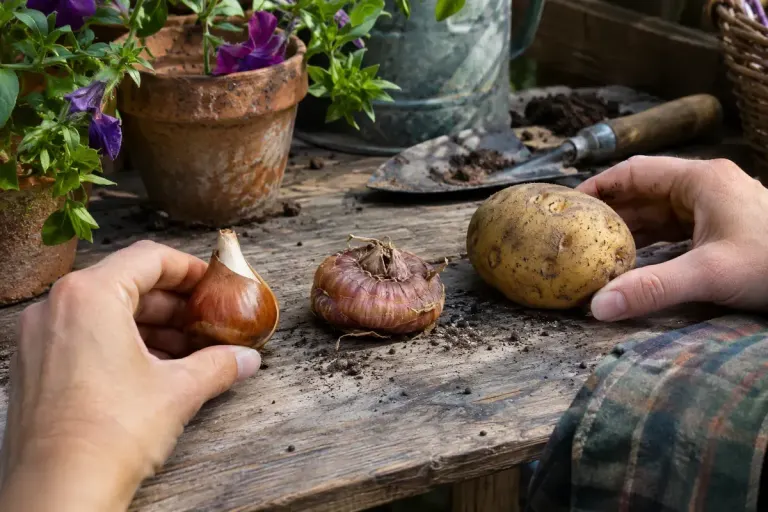
Bulbs, corms and tubers store resources in different structures. Identify the plant before copying planting or division advice.
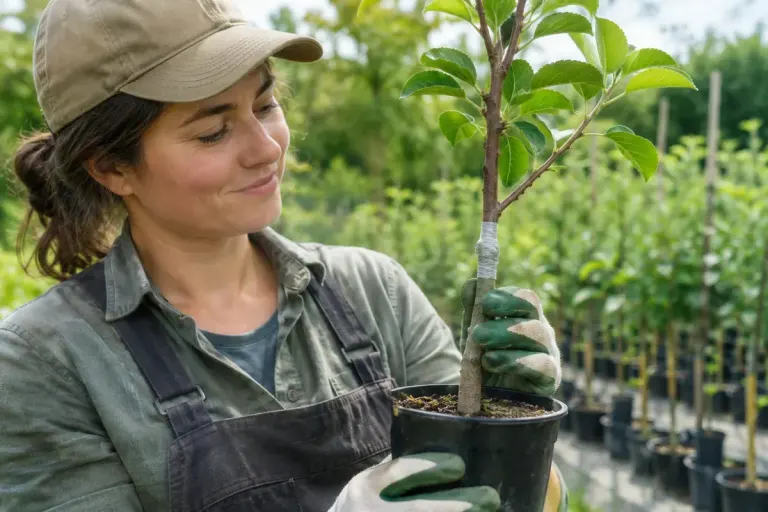
A grafted fruit tree combines a scion and rootstock without blending them into a new seedling. Read both names on the nursery label.
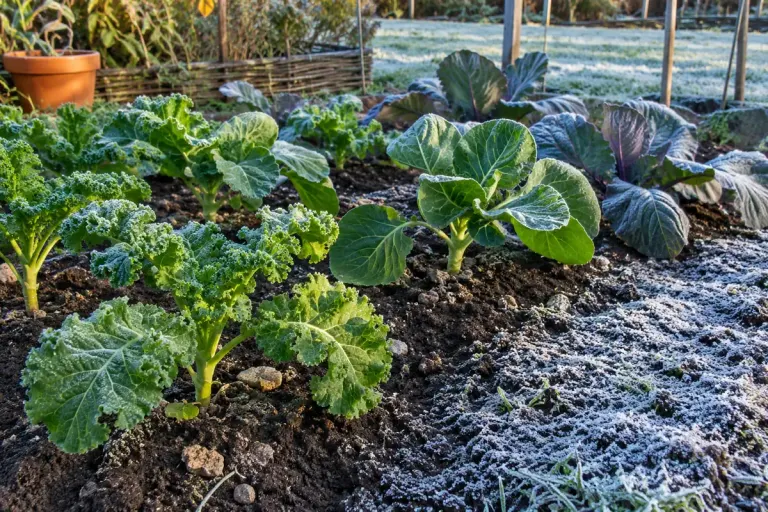
Understand how a period of cold can prepare some vegetables to flower, why plant age matters and what to record when a crop bolts unexpectedly.
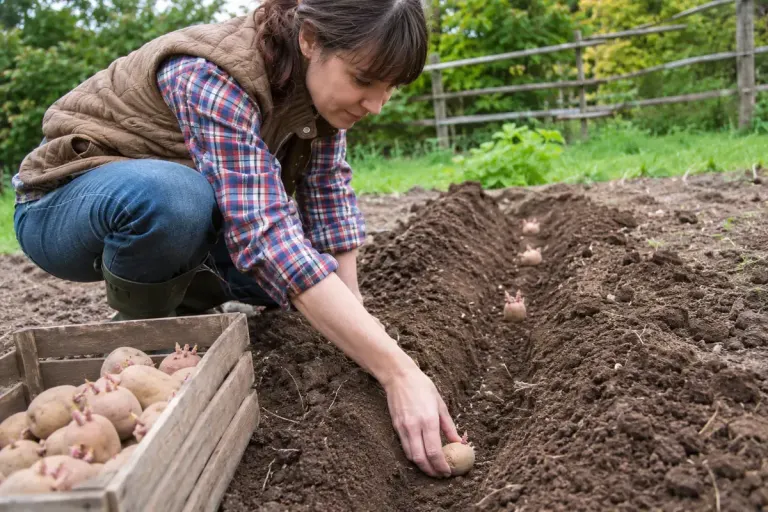
Distinguish the depth of a potato trench from the soil covering a seed piece, and keep initial planting separate from later hilling instructions.
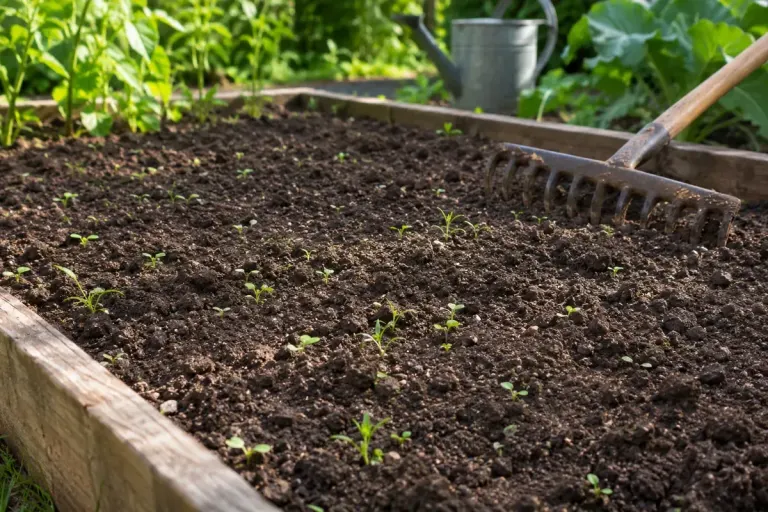
A false seedbed brings an early flush of weeds forward so it can be managed before sowing. Its value depends on timing and shallow soil disturbance.
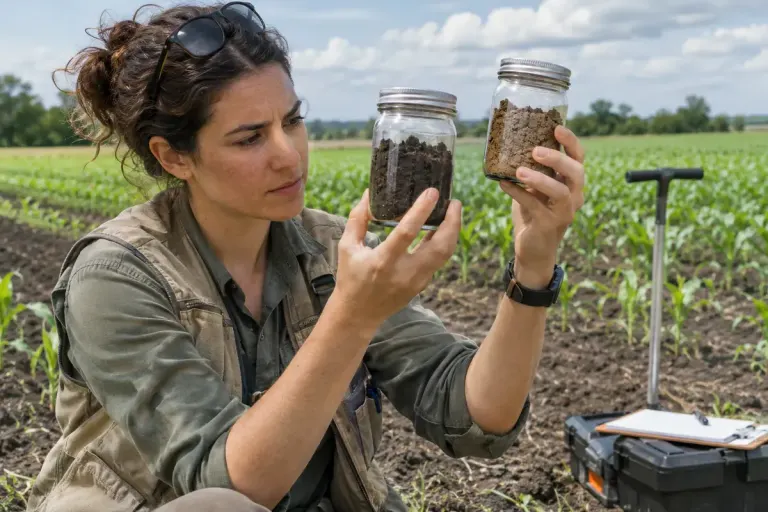
Cation exchange capacity describes part of a soil’s nutrient-holding behaviour. Read it beside pH and nutrient results rather than as a fertiliser dose.
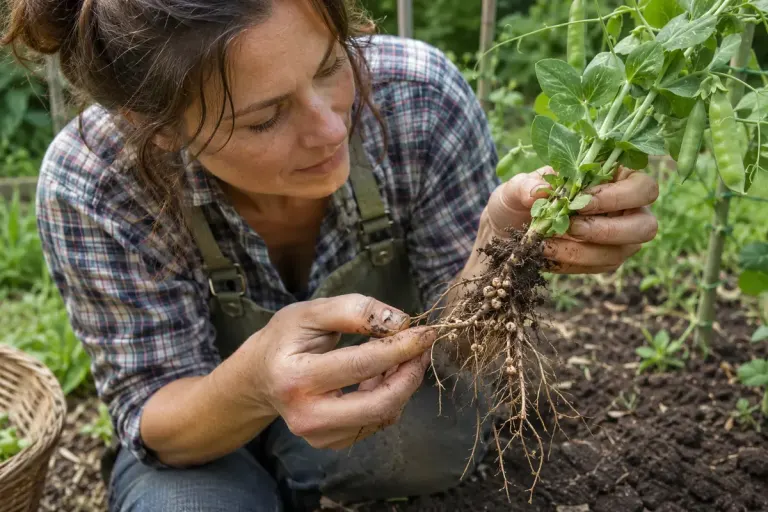
Legume root nodules can indicate a partnership with nitrogen-fixing bacteria. Learn what a sample can show and why nodules alone do not measure soil fertility.